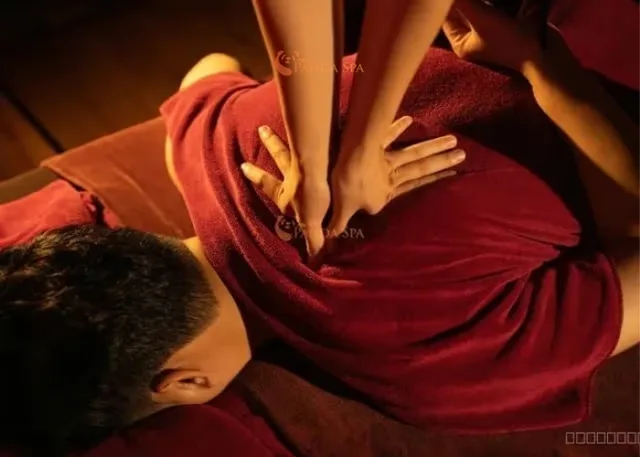
Relieve muscle aches and tension with our Shiatsu Massage in Da Nang. This traditional acupressure therapy helps balance the body and promotes deep relaxation. Check out our price list now!
Shiatsu Massage is a famous traditional Japanese therapy, trusted by millions of people around the world for health care. By using pressure from fingers and palms directly applied to acupressure points on the body, this method helps relieve pain, dispel stress, and naturally restore energy. If you are looking for a comprehensive relaxation solution, let's explore the details of Shiatsu massage with Panda Spa through the article below.
1. What is Shiatsu Massage?
Before diving into the benefits and procedures, we need to clearly understand the nature of this Japanese full-body massage method. Below is foundational information to give you a comprehensive view of Shiatsu.
What is Shiatsu Massage?
1.1. Origin and history of Japanese Shiatsu
In Japanese, "Shi" means finger and "Atsu" means pressure. Put together, Shiatsu is a therapeutic technique that uses finger pressure to impact the body. This method was developed based on the traditional Japanese Shiatsu massage called Anma, which emerged in the 1320s by master Akashi Kan Ichi.
By the early 20th century, Tokujiro Namikoshi perfected and systematized the Shiatsu method as it is today. The story began in 1912 when 7-year-old Namikoshi created his own finger massage movements to heal his mother's rheumatism. Later, he founded the Japan Shiatsu College to spread this technique worldwide. In the mid-20th century, the Japanese Ministry of Health officially recognized Shiatsu as a professional manual therapy and included it in university curriculums.
1.2. How Shiatsu massage works
Shiatsu Massage operates based on the Eastern medicine theory of vital energy flow (Qi) in the body. According to this principle, vital energy circulates through 12 main meridians, linking with various organs and functions. When the energy flow is blocked due to stress, injury, or an unhealthy lifestyle, the body will experience pain and illness symptoms.
A Shiatsu technician will use their thumbs, palms, and sometimes elbows to apply pressure to acupressure points called "Tsubo". Each press is maintained for about 3 to 8 seconds, moving rhythmically from one point to another. This pressure helps clear blocked meridians, stimulates energy flow to resume, and promotes the body's self-healing ability. A special feature of the Japanese-style body massage Shiatsu is that the person receiving the treatment can remain fully clothed, unlike many other massage methods.
The Shiatsu method brings many positive effects to both physical and mental health. Below are the most outstanding benefits proven by many studies and practical experiences.
Health benefits of Shiatsu body massage
2.1. Reduces stress, improves sleep
One of the most frequently mentioned benefits of Thai massage and Shiatsu is the ability to soothe stress. When the body's acupressure points are stimulated correctly, the parasympathetic nervous system is activated, helping the body switch to a state of deep relaxation. Clinical studies show that cortisol (stress hormone) levels decrease significantly after each Shiatsu session.
Thanks to the calming effect on the central nervous system, the person receiving the massage will feel mentally relaxed and clear-headed. In particular, those who frequently suffer from insomnia or restless sleep will notice a distinct improvement in sleep quality after experiencing Shiatsu regularly. This is a natural, safe solution that does not rely on any medication.
The Shiatsu method is particularly effective in supporting the relief of chronic musculoskeletal pain, especially in the back, neck, and nape. Deep pressing movements on acupoints help soothe aching muscle areas, prevent synovial fluid condensation, and improve joint flexibility. Rhythmic pressing also helps relax muscles, reduce spasms, and increase nutritional supply to muscles during the therapy.
2.3. Improves blood circulation and digestive system
When you focus force on your fingers to press acupoints, deep blood vessels will gradually dilate, effectively stimulating blood circulation. Once blood circulation proceeds smoothly, nutrients will be transported to organs more easily. This is the foundation for the body to restore vitality and maintain a healthy state.
Besides, the Shiatsu method also positively impacts the digestive system. Some acupoints related to the spleen, stomach, and colon, when stimulated correctly, will help the stomach contract stably, improve bowel movements, and support the process of eliminating waste from the body faster.
2.4. Beautifies skin and prevents aging
Another wonderful benefit of Shiatsu that many women are interested in is its ability to beautify the skin. During the massage, the soft tissues of the skin are directly impacted, stimulating blood circulation to each skin cell. An evenly supplied amount of blood helps the process of eliminating sebum on the skin operate more smoothly.
Benefits of Japanese-style full body massage
2.5. Boosts immune system and energy
Through acupressure pressing, the Shiatsu method will initiate natural healing energy in the body. This helps regulate the autonomic nervous system, promoting the activity of the circulatory and lymphatic systems. Thanks to these mechanisms, the body's resistance and disease prevention capabilities are significantly enhanced.
3. Standard Shiatsu massage procedure at Panda Spa
To achieve optimal therapeutic effects, the Thai massage procedure or Shiatsu must follow professional standard steps. The Shiatsu treatment at Panda Spa is designed for those with stress, neck and shoulder pain, back pain, circulatory disorders, and insomnia. The execution style is completely oil-free, using only the pressure of fingers, palms, and elbows to press acupoints deeply along the meridians.
Standard Shiatsu massage procedure at Panda Spa
3.1. Step 1: Warm-up – Prone position
The Japanese-style body massage treatment begins with the client lying face down, their whole body completely relaxed. The technician presses their palms along the spine with gentle movements, helping the client get used to the hand pressure and gradually relax the body. This is an important step to create a connection between the technician and the person receiving the therapy.
3.2. Step 2: Supine position – Shiatsu on head, shoulders, neck, nape
The client switches to a supine position so the technician can focus on treating the head, shoulders, neck, and nape. This step begins with pressing the temple acupoints, then pressing along both sides of the neck following the meridians. The technician continues to apply acupressure to the shoulders, nape, and jaw, helping to release long-accumulated tension in these areas.
3.3. Step 3: Supine position – Shiatsu on arms
The technician moves to the arms with pressing movements along the arms, wrists, and palms. The pressure is adjusted to suit each location, ensuring the correct impact on the acupoints along the arm's meridians. Pressing acupoints on the palms and fingers helps stimulate the nerves linked to many internal organs in the body.
3.4. Step 4: Supine position – Shiatsu on legs
The leg area is where many important acupoints linked to the liver, kidneys, spleen, and other internal organs are concentrated. The technician meticulously presses the insteps and soles, then presses the calves and thighs along the meridians. Each pressing line is done slowly and rhythmically, helping the energy flow from the legs to the whole body.
3.5. Step 5: Sitting up – Finish
In the final step, the technician gently supports the client to sit up slowly to avoid dizziness caused by sudden postural changes. Then, the technician squeezes the shoulders, presses acupoints along the back, and taps gently to awaken energy, helping the body naturally transition from a state of deep relaxation to alertness.
The Shiatsu massage session ends in a relaxed and balanced state. For best results, experts recommend performing Shiatsu 1 to 2 times a week. Maintaining it regularly over a long period will help the body comprehensively improve in health, sleep, and spirit.
4. How is Shiatsu body massage different from Thai body massage and acupressure?
Many people often confuse Shiatsu, Thai massage, and traditional acupressure. Although they are all manual therapies, each has its own distinct characteristics. Let's analyze the differences so you can choose the most suitable method.
How is Shiatsu body massage different from Thai body massage and acupressure?
4.1. Comparing Shiatsu and Thai massage
Thai massage originated in Thailand, combining acupressure techniques and Indian yoga postures. This method focuses on stretching, bending, and twisting the limbs and relaxing the joints, back, and waist using elbows, knees, and feet. In 2019, UNESCO recognized Thai massage as an intangible cultural heritage of humanity.
Meanwhile, Shiatsu focuses on the meridian and acupoint system, primarily using thumbs and palms to create static pressure. Shiatsu does not have strong stretching movements like Thai massage but leans towards deep pressing, maintaining steady pressure. Regarding the Thai massage price, the two methods usually have similar prices, depending on the duration and facility.
Shiatsu and acupressure are both based on Eastern medicine, but there are important differences. Shiatsu is a comprehensive approach, considering and impacting the entire body rather than just focusing on a few specific points. Pressure in Shiatsu is always static and maintained at each point, while acupressure applies circular rotating force and continuous pressing.
In addition, Shiatsu uses the technician's entire body weight to create pressure, whereas acupressure only uses part of the arm's strength. Regarding tools, Shiatsu mainly uses thumbs and palms, while other acupressure methods may use arms, elbows, or supporting tools.
5. Who should and shouldn't get a Shiatsu-style full body massage?
The Shiatsu method is suitable for almost everyone; however, some groups need to carefully consider before experiencing it. Correctly identifying the target audience will ensure safety and achieve maximum therapeutic effectiveness.
Who should and shouldn't get a Shiatsu-style full body massage?
5.1. Suitable subjects
The Shiatsu method is particularly suitable for the following groups: people who frequently suffer from insomnia, headaches, and fatigue after a long workday; people with blood flow and circulation issues; people with musculoskeletal pain or muscle stiffness in the neck, shoulders, and back; office workers who sit at computers for many consecutive hours; people who want to improve overall health and boost the immune system.
Pregnant women can also experience Shiatsu at a gentle level to reduce morning sickness and fatigue; however, it must be performed by a professional technician and a doctor should be consulted before starting the treatment.
5.2. Subjects to avoid
Despite bringing many benefits, this method is not suitable for everyone. The following individuals must strictly avoid it or have a doctor's consent: people with fractures or serious musculoskeletal injuries; people with rashes, open wounds, or skin diseases; people with infectious diseases such as chickenpox or severe flu; people with cardiovascular disease, blood clots, or cancer; women with a history of miscarriage or premature birth need to be especially cautious.
In addition, you should not perform Shiatsu immediately after a full meal, when consuming alcohol, or when the body is extremely tired. If you feel pain or discomfort during the massage, notify the technician immediately to adjust the pressure accordingly.
6. How much does a Shiatsu massage cost?
The Thai massage price or Shiatsu depends on many factors such as the treatment duration, technician's skill level, geographical location, and the spa's premium level. In Vietnam, the reference price list for Shiatsu services usually fluctuates as follows:
60-minute treatment: from 300,000 to 600,000 VND
90-minute treatment: from 500,000 to 900,000 VND
120-minute treatment combining supplementary methods: from 700,000 to 1,500,000 VND
How much does a Shiatsu massage cost?
In tourist cities like Da Nang, Hoi An, or Nha Trang, prices are often more reasonable than in Hanoi and Ho Chi Minh City. The important thing is that you choose reputable facilities with a well-trained technician team, ensuring correct acupressure techniques to bring real therapeutic effects. Do not choose places that do not guarantee quality just for cheap prices, because pressing acupoints in the wrong position or with incorrect pressure can harm your health.
7. Shiatsu Massage Da Nang – Experience at Panda Spa
If you are looking for a quality Shiatsu Da Nang experience address, Panda Spa is a highly recommended suggestion. Below is detailed information about the service and why our Spa is trusted by many customers.
7.1. Japanese-style body massage service at Panda Spa
We bring standard Japanese Shiatsu services with scientifically designed treatments, combining traditional acupressure techniques and modern health care methods. Each treatment at Panda Spa is personalized based on the individual health conditions and needs of each client.
Our technician team is professionally trained, with a deep understanding of the acupoint system and standard Shiatsu pressing techniques. The spa space is luxuriously and quietly designed with natural essential oil scents, creating a complete relaxing experience for customers throughout the treatment.
7.2. Reasons to choose Panda Spa for a Shiatsu treatment
The spa stands out with many advantages that keep customers coming back: experienced technicians who master intensive Japanese-style body massage techniques; skincare products and natural essential oils that are safe for health; professional service process from consultation to post-treatment care; convenient location in the center of Da Nang, easy to travel to.
Besides Shiatsu services, we also provide a variety of other premium spa treatments, meeting all relaxation and beauty needs of customers. You can visit pandaspa.vn to view the detailed price list and book an appointment in advance to ensure the best experience.
8. Frequently Asked Questions about Shiatsu massage (FAQ)
Below are the most common questions that customers often wonder when learning about Shiatsu. Hopefully, these answers will provide you with more useful information before experiencing the treatment.
8.1. Does Shiatsu massage hurt?
During the therapy, you may feel moderate to strong pressure at the acupoints, especially in muscle areas that have been stiff for a long time. However, this is not a sharp pain but a "pleasant pain" when the acupoints are unblocked. Technicians at Panda Spa always adjust the pressure to suit each customer's tolerance, so you can absolutely request to increase or decrease the pressure at any time during the treatment.
8.2. How often should I get Shiatsu?
The ideal frequency is 1 to 2 times a week for those who are experiencing prolonged pain and stress. After health improves, you can maintain a frequency of 2 to 4 times a month to keep a balanced state. Do not overdo it because the body needs time to react and heal itself after each session. The technician will advise on a specific roadmap tailored to your individual health condition.
8.3. Do I need to undress for Shiatsu?
No. This is a major difference between Shiatsu and many other Japanese-style full-body massage methods. The Shiatsu treatment at Panda Spa is completely oil-free; customers only need to wear comfortable, loose-fitting clothes. The technician will apply pressure directly through the fabric layer, ensuring maximum privacy and comfort for the experiencer.
8.4. Can pregnant women get Shiatsu?
Pregnant women can experience Shiatsu at a gentle level, but they need to consult an obstetrician before starting. Some acupoints on the body are related to the uterus and should be avoided during pregnancy. In particular, women with a history of miscarriage, premature birth, or who are in their first trimester should strictly not do it. Please clearly inform the technician of your condition for safe treatment advice.
8.5. Should I eat before or after Shiatsu?
You should not get a massage immediately after a full meal because pressing acupoints on the abdomen can cause bloating, nausea, and hinder digestion. The ideal time is at least 1 to 2 hours after a meal. Similarly, avoid Shiatsu when consuming alcohol or when the body is too tired and exhausted. After the therapy session, drink enough warm water to support the detoxification process and restore energy.
8.6. Where is a reputable Shiatsu address in Da Nang?
If you are looking for a quality Shiatsu massage Da Nang address, Panda Spa is a highly rated choice by many domestic and international customers. With a well-trained technician team, a standard 5-step process, and a luxurious relaxation space, Panda Spa is committed to bringing an authentic Shiatsu experience.
Hopefully, the article has helped you clearly understand Shiatsu massage along with the wonderful benefits that this Japanese therapy method brings. If you are looking for a true relaxing experience in Da Nang, come to Panda Spa to be cared for by a team of top experts, and enjoy a Japanese-standard Shiatsu massage treatment in a luxurious and friendly space.